The Wonderful World of Health Care Regulations in the UK and Europe: Navigating Compliance in a Divergent Landscape

On paper, the UK and EU are still committed to aligned, risk-based regulation for medicines, devices and advanced therapies. On the ground, divergence is already shaping how products are developed, released and monitored. For companies operating in both the UK and EU, the challenge is no longer learning the rules once. It’s building a coherent strategy that keeps pace with two evolving systems, without doubling cost, risk or complexity.
Introduction: Understanding the UK/EU Regulatory Relationship
The governance of public health through the regulation of medicines, medical devices, and blood components across the United Kingdom (UK) and the European Union (EU) is at a pivotal point. While both jurisdictions share fundamental objectives of ensuring quality, safety, and efficacy, the operational and legal frameworks have decoupled significantly since the UK’s withdrawal from the EU.
This shift necessitates a granular understanding of the primary regulatory institutions and the divergent paths they have chosen.
The legal round up in the UK includes: The Medicines Act 1968, the Human Medicines Regulations 2012 (HMR 12), the Veterinary Medicines Regulations 2013 (VMR 13), the Medical Devices Regulation 2002 (MDR UK), the Human Tissue Act 2004 (HTA), The Human Tissue (Quality and Safety for Human Application) Regulations 2007 (HTR), and additional legislation covering Blood and Transplant activities.
The European Union's regulatory framework for these health sectors is anchored by directly applicable Regulations and harmonising Directives, contrasting with the UK's blend of Acts and Regulations. For Human Medicines, the core is Directive 2001/83/EC and Regulation (EC) No 726/2004, which established the EMA and the Centralised Procedure, comparable to the UK's Human Medicines Regulations. Veterinary Medicines are governed by the comprehensive Regulation (EU) 2019/6. The regulation of Medical Devices and In Vitro Diagnostics (IVDs) has recently been significantly strengthened by the directly applicable Regulation (EU) 2017/745 (MDR) and Regulation (EU) 2017/746 (IVDR), respectively, imposing stricter requirements than their UK counterparts, the MDR UK and its related rules. Finally, for Substances of Human Origin (SoHO), including blood, tissues, and cells (corresponding to the UK's HTA and HTR), the current framework of Directives (2002/98/EC and 2004/23/EC) is being replaced by the comprehensive SoHO Regulation, which will standardise quality and safety requirements across the EU/EEA. Drilling down from these high-level Directives are the national adoption and regulatory frameworks across 27 member states.
Regulatory professionals must recognise and facilitate both the depth and breadth of knowledge needed to succeed, ensuring an interlocular position is taken, not one of superiority of any single regulatory frame.
The Structural Foundations of Regulatory Oversight
In the UK, the core regulatory authority is the Medicines and Healthcare products Regulatory Agency (MHRA). The MHRA maintains an expansive and integrated mandate, overseeing medicines, medical devices, and blood components for transfusion.
The European system is governed by the European Medicines Agency (EMA), a decentralized body. The EMA executes its scientific evaluations through a network of specialized scientific committees, including the Committee for Medicinal Products for Human Use (CHMP), the Pharmacovigilance Risk Assessment Committee (PRAC), and the Committee for Advanced Therapies (CAT), relying on the collective expertise of the National Competent Authorities (NCAs) of the individual Member States.
The Fundamental Shift: Divergence Post-Brexit
The UK has established fully independent regulatory decisions for pharmaceuticals and medical devices. The MHRA is rapidly meeting its mandate through the launch of the International Recognition Procedure (IRP), the move towards risk-based inspections, and its pioneering work in decentralised manufacturing and Point-of-Care (PoC) products.
The cumulative effect of these jurisdiction-specific technical divergences imposes a significant structural cost on Marketing Authorisation Holders (MAHs), with regulatory compliance costs averaging 1.8% of turnover for EU firms, rising to 2.5% for SMEs (Dayan et al., 2023).
Foundational Frameworks: Legislation and Licensing
Compliance throughout the healthcare supply chain is dictated by a strict regime of authorisations aligned with Good Practice (GxP) standards.
Core Pharmaceutical GxP Compliance and Authorisation
Manufacturing requires a Manufacturer’s Authorisation (MIA) (GMP). Distribution requires a Wholesale Distribution Authorisation (WDA), ensuring adherence to Good Distribution Practice (GDP). The overarching Marketing Authorisation (MA) and associated PL is also required prior to marketing. The UK also has flavours of licence and endorsements to each e.g. MIA vs MIA (IMP) the latter is a specific licence for Investigational Products. And endorsments are leveraged across MIAs and WDA to allow for specific considerations and practices such as Export e.g. MIA Export and WDA Export provisions which are separately acquired to the primary licence and endorsed onto them.
Beyond this there is the Clinical Trial Authorisation (CTA), the Required Marketing and surveillance completed without an express licence but falling under the requirements of a Marketing authorisation known as Pharmacovigilance (GVP, GPvP) as well as the requirement to respond to medical information.
Once outside of Licenced pharmaceutical we enter the world of Section 10 in the uk and EU exemption is rooted in Article 5(1) of Directive 2001/83/EC and Manufacturing of specials. These are some of the most complex regulation sets that mange the production of pharmaceuticals to a defined order under Licence or under Hospital and Health care practitioner (Pharmacists in the case of section 10), these are product formulated tot eh exact and specified needs of an serviced patient or patient population. Though these are mirrored in the EU they are not as stringently codified, controlled and in some case such as Poland exist as a necessity and with very limited professional guidance to pharmacists and healthcare providers. (Carvalho, 2013).
Medical Devices: The Great Regulatory Divergence
The EU implemented the Medical Devices Regulation (EU MDR 2017/745) and EU IVDR 2017/746, while GB operates under its own distinct regulations, requiring the UKCA marking.
Both systems rely on mandatory third-party assessment: Notified Bodies (NBs) in the EU and UK Approved Bodies for the UKCA marking. This necessitates distinct statutory representatives: the UK Responsible Person (UKRP) for GB and the EU Person Responsible for Regulatory Compliance (PRRC) for the EU.
Obstacles to Global Harmonization: The MDSAP Challenge
The Medical Device Single Audit Program (MDSAP), designed for a single audit pathway across multiple jurisdictions, is limited in its uptake and deployment largely due to the US Food and Drug Administration (FDA) not fully embracing the movement, thereby preventing it from being a truly harmonizing, global solution.
Regulation of Substances of Human Origin (SoHO): Tissues, Cells, and Blood
In the UK, the Human Tissue Authority (HTA) governs activities under the Human Tissue Act 2004 (HT Act) and subsequent The Human Tissue (Quality and Safety for Human Application) Regulations 2007 (HTR).
| UK Legislation (Reference) | Closest EU Counterparts (Current Key Legislation) |
|---|---|
| Medicines Act 1968 / Human Medicines Regulations 2012 (HMR 12) (Human Medicines) | Directive 2001/83/EC (The "Community code relating to medicinal products for human use") and Regulation (EC) No 726/2004 (Centralised Procedure and EMA) |
| Veterinary Medicines Regulations 2013 (VMR 13) | Regulation (EU) 2019/6 (Veterinary Medicinal Products) |
| Medical Devices Regulation 2002 (MDR UK) | Regulation (EU) 2017/745 (MDR) (Medical Devices) |
| Medical Devices Regulation 2002 (MDR UK) | Regulation (EU) 2017/746 (IVDR) (In Vitro Diagnostic Medical Devices) |
| Human Tissue Act 2004 (HTA) / The Human Tissue (Quality and Safety for Human Application) Regulations 2007 (HTR) / Blood and Transplant Legislation (Blood, Tissues, and Cells) | Directive 2002/98/EC (Blood and Blood Components) and Directive 2004/23/EC (Tissues and Cells) Note: Both are being replaced by the Regulation on standards of quality and safety for substances of human origin (SoHO Regulation), which will become fully applicable by mid-2027. |
Personnel Accountability: The Statutory Gatekeepers
The regulatory structure enforces quality assurance through highly specialised, legally mandated roles with personal accountability.
The Qualified Person (QP): Batch Certification and Personal Liability
The Qualified Person (QP) is legally responsible for authorised manufacturing operations and carries personal legal accountability for the products released, ensuring adherence to GMP principles.
The Responsible Person (RP): Maintaining GDP Integrity
The Responsible Person (RP), named on the WDA, is the mandated figure ensuring Good Distribution Practice (GDP) compliance.
The nuanced role of the Responsible Person for Import (RPi) plays a critical, nuanced role in the EU regulatory framework, primarily ensuring that batches of medicinal products imported from a third country are compliant with EU standards before they are released for sale or distribution within the EU/EEA. This function, distinct from the Qualified Person (QP) who certifies EU-manufactured batches, focuses on the importation step. The RPi's main responsibility is to guarantee that the imported product has been manufactured, controlled, and tested to standards at least equivalent to the EU's Good Manufacturing Practice (GMP) requirements, as established by the Manufacturing and Import Authorisation (MIA) holder. This often involves reviewing documentation from the non-EU manufacturer, confirming that the initial physical and chemical testing (and sometimes biological testing) has been carried out successfully, and ensuring that the batch has been certified by an authorized person in the third country under a quality agreement before the QP performs the final certification for release. The RPi essentially acts as the first quality and compliance gate for medicines entering the EU supply chain.
The distribution and management of high-risk biological products, specifically Advanced Therapy Medicinal Products (ATMPs) and blood products, requires compliance that extends significantly beyond standard Good Distribution Practice (GDP). This is chiefly driven by the National Institute for Biological Standards and Control (NIBSC), which functions as the UK's Official Medicines Control Laboratory (OMCL). For licensed biological medicines, the NIBSC Certificate of Release is a mandatory prerequisite for market access and, therefore, for distribution. No batch can legally enter the commercial GDP supply chain until the NIBSC has performed its independent quality assurance, often involving protocol review and/or laboratory testing of the batch's safety and potency.
Furthermore, for the starting materials—human tissue, cells, and blood—the distributing entity must rigorously comply with the regulations overseen by the HTA and MHRA, including holding the relevant HTA licence or Blood Establishment Authorisation (BEA), especially when importing these materials. This creates a multi-layered compliance environment where the product's quality release (NIBSC), the starting material's compliance (HTA/BEA), and the integrity of the journey (GDP) are all interlinked and mandatory requirements. The interlocular and mandatory communication pathways between the Responsible Person (GDP) and Responsible Person (Blood) and Designated Individual (DI) to ensure compliance is a highest priority.
The complexity expands still further with the considerations of Unlicenced and Clinical trial materials.
The Qualified Person for Pharmacovigilance (QPPV): Safety Oversight
The Qualified Person for Pharmacovigilance (QPPV) holds the ultimate legal and scientific responsibility for a company’s pharmacovigilance system (both UK and EU QPPV), focusing on patient safety, risk management, and regulatory compliance of all safety data.
The QPPV acts as the single, ultimate point of responsibility for all safety-related data and activities for a Marketing Authorisation Holder (MAH). The MAH must have the QPPV continuously and permanently at its disposal.
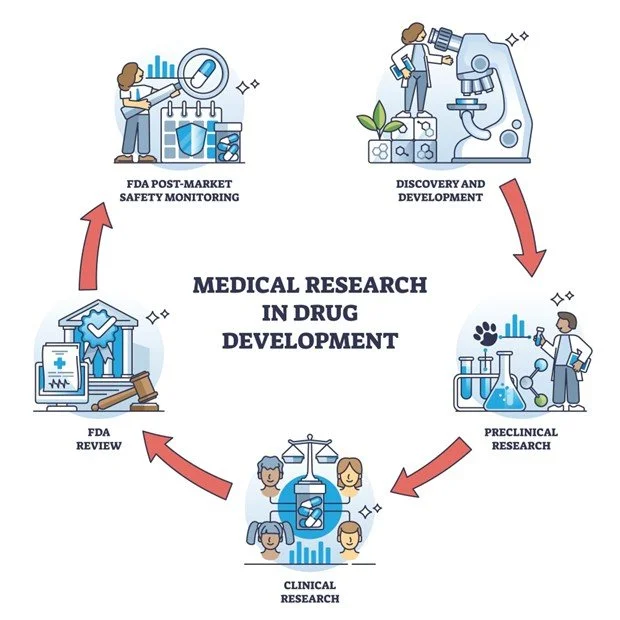
1. System and Compliance Oversight
The QPPV's primary duty is not just to report safety data, but to ensure the entire system that collects, assesses, and reports that data is functional and compliant.
Pharmacovigilance System Master File (PSMF): The QPPV is responsible for the establishment and maintenance of the PSMF (or the UK-specific PSMF), which is the comprehensive and legally required document detailing the MAH's pharmacovigilance system, its quality management, and its performance. The QPPV must be able to verify the information in this document.
24/7 Contact Point: The QPPV (or a formally designated deputy) must be the single, 24/7 point of contact for regulatory authorities (EMA and national competent authorities) on all safety matters.
2. Product Safety and Risk Management
The QPPV maintains a continuous, comprehensive understanding of the products' benefit-risk profile.
Signal Detection and Management: They oversee activities to detect and manage safety signals—new information on known or potential adverse effects—and determine if regulatory action is required.
Risk Management Plans (RMPs): The QPPV has authority over the content of RMPs, which detail how risks are characterised and minimised, and must ensure the implementation and effectiveness evaluation of any Risk Minimisation Measures (RMMs).
Regulatory Submissions: They ensure the timely and accurate submission of all pharmacovigilance documents, including Individual Case Safety Reports (ICSRs) and Periodic Safety Update Reports (PSURs).
3. UK vs. EU QPPV Nuance Post-Brexit
Following the UK's departure from the EU, two distinct QPPV roles emerged, adding significant complexity for companies marketing products in both territories:
| Role | Responsibility Area | Location Requirement | Additional UK Requirement |
|---|---|---|---|
| EU QPPV | All medicinal products authorised in the EU/EEA (including Northern Ireland MAHs). | Must reside and operate in the EU/EEA. | N/A |
| UK QPPV | All medicinal products authorised in Great Britain (England, Scotland, and Wales). | Can reside and operate in the UK or the EU/EEA. | If the UK QPPV is not UK-based, a UK National Contact Person for Pharmacovigilance (NCPPV) must be appointed who resides and operates in the UK. |
UK QPPV
All medicinal products authorised in Great Britain (England, Scotland, and Wales).
Can reside and operate in the UK or the EU/EEA.
If the UK QPPV is not UK-based, a UK National Contact Person for Pharmacovigilance (NCPPV) must be appointed who resides and operates in the UK.
The UK NCPPV is a key difference: this person ensures the MHRA has a local, accessible point of contact for safety queries, even if the ultimate legal responsibility (the UK QPPV) sits elsewhere in the EU/EEA. This separation demands extremely close alignment between the EU and UK pharmacovigilance systems to maintain global safety oversight.
The Designated Individual (DI): Governance of Human Tissues and Cells
The Designated Individual (DI) enshrined in the Human Tissue Act 2004 (HTA) and the Human Tissue (Quality and Safety for Human Application) Regulations 2007 (HTR), focus on governance, compliance, and quality.
1. Legal Accountability and Supervision
Ultimate Responsibility: The DI is the individual legally named on the HTA licence and is personally accountable to the HTA for the suitability and compliance of all licensed activities conducted by the establishment.
Supervision Mandate: They must ensure that the licensed activities (e.g., procurement, testing, processing, storage, distribution, and import/export) are carried out under suitable supervision and that all staff involved are suitable and appropriately trained to perform their duties. This involves active oversight of the competence framework.
HTA Relationship: The DI serves as the primary and official point of contact for the HTA, managing inspections, responding to regulatory queries, and signing off on licence renewals and variations.
2. Quality System Governance
Quality Management System (QMS): The DI is responsible for establishing, maintaining, and reviewing a comprehensive Quality Management System (QMS) that covers all aspects of the HTA-licensed activities. This QMS must comply with the mandatory standards of the HTR.
Traceability Assurance: A fundamental duty is ensuring the unbroken traceability of all human tissues and cells from the donor (source) to the recipient (final destination) for a minimum of 30 years. This is crucial for rapid recall or look-back procedures in the event of a safety concern.
Change Control and Deviations: They must oversee the change control process for licensed activities and ensure that all deviations, non-conformities, and serious adverse events/reactions (SAE/SARs) are rigorously investigated, documented, and reported to the HTA in a timely manner.
3. Compliance for Import/Export (SoHO)
Importing Tissue Establishment (ITE): If the establishment acts as an ITE (as discussed previously for EU imports), the DI is responsible for verifying that the Third Country Supplier meets standards equivalent to the HTR and that a legally binding written agreement is in place before any import takes place.
In essence, the DI is the custodian of quality and integrity for the most sensitive materials used in medicine. They must possess the authority, scientific knowledge, and management skill to ensure that regulatory compliance and the highest ethical and safety standards are maintained throughout the entire supply chain.
Structures and Strategic Pathways for Market Authorisation
Mutual Recognition and Reliance Arrangements (IRP)
The MHRA introduced the International Recognition Procedure (IRP), a unilateral mechanism to expedite review for applicants holding authorization from a specified Reference Regulator (RR), prioritizing accelerated patient access.
Regulating Advanced Products and Innovation
Advanced Therapy Medicinal Products (ATMPs): EU Centralisation
ATMPs are subject to the comprehensive framework established by Regulation (EC) No 1394/2007 and are generally subject to centralized marketing authorisation through the EMA.
The UK’s Pioneering Framework for Decentralised Manufacturing
The UK introduced The Human Medicines (Amendment) (Modular Manufacture and Point of Care) Regulations 2025. This dedicated legal framework for Point-of-Care (PoC) and modular manufacture addresses the rigidity of the EU’s Hospital Exemption.
Radiopharmaceuticals: Dual Regulatory Control
Radiopharmaceuticals require compliance with standard medicinal product laws, but are also subject to specific radiation protection legislation, such as the UK’s Ionising Radiations Regulations (IRR). We will talk more about this fascinating world latter in the program.
UK Aseptics Centralisation: The Carter Review and Ready-to-Use Framework
The Carter Review of Operational Productivity in NHS Acute Hospitals (2016) strongly advocated for the consolidation of aseptic units to achieve Standardisation and Quality. This led to the Ready-to-Use (RTU) Injectables Framework, which encourages procurement of commercially manufactured injectables over in-house preparation under Section 10 exemptions. We will talk more about this fascinating world latter in the program.
Strategic Outlook: Navigating Dual Compliance and Future Harmonization
Navigating the UK and EU health care regulatory spheres requires detailed, dual-track regulatory oversight and planning, managed by statutory roles like the UK Responsible Person (UKRP), Person Responsible for Regulatory Compliance (PRRC), QPPV, and QP.
Key Takeaways: UK and EU Healthcare Regulations after Brexit
UK and EU healthcare regulations still share common foundations, but post-Brexit divergence is already shaping how medicines, devices, SoHO materials and ATMPs are developed, released and monitored.
While GxP principles remain aligned, the MHRA and EMA now operate through different structures, timelines and reliance mechanisms, requiring parallel but non-identical regulatory journeys for the same product.
Core statutory roles (QP, RP, QPPV, DI, UKRP/PRRC) sit at the heart of both systems; mapping these across your licences is essential to maintain clear personal accountability and inspection-ready compliance.
Emerging areas such as point-of-care manufacture, aseptics centralisation and ready-to-use injectables offer opportunity but also demand proactive interpretation of evolving UK and EU expectations.
Organisations operating in both jurisdictions need a joined-up UK/EU regulatory strategy that minimises duplicated effort while keeping products, data and supply chains aligned with both regimes.
FAQs: UK and EU Healthcare Regulations after Brexit
Who can help us design a UK/EU regulatory strategy?
You’ll usually need support from advisors who work routinely across both MHRA and EU systems and understand how medicines, devices, SoHO and ATMP frameworks interact. The most effective partners can review your licences and statutory roles, identify gaps created by divergence, and design a dual-track strategy that avoids duplicated effort while keeping both UK and EU operations inspection-ready.
What are the practical differences between MHRA and EMA processes?
The MHRA is a single national authority that can move quickly, for example via the International Recognition Procedure, risk-based inspections and bespoke frameworks for decentralised manufacture. The EMA coordinates EU-wide assessments through committees and national authorities, within structured routes such as the centralised, decentralised and mutual recognition procedures. In practice, this means timelines, reliance mechanisms and procedural steps often differ, even when the technical data and GxP expectations are similar.
Do we need different statutory roles for UK and EU operations?
In most cases you need at least clearly defined, jurisdiction-specific appointments, even if the same person sometimes holds more than one role. Core functions like QP, RP and QPPV exist in both systems but are anchored in different legislation, and some roles are unique (e.g. UKRP vs PRRC for devices, DI for HTA licences). A structured mapping of QP, RP, QPPV, DI, UKRP and PRRC across your licences is essential to ensure legal accountability is clear and both UK and EU requirements are fully covered.
Do you need clarity on your UK/EU regulatory position?
We support organisations in mapping their current position, identifying gaps across MHRA and EU expectations, and designing a pragmatic UK/EU regulatory strategy that keeps products and supply chains moving.
Book a 30-minute strategy call with our team to review your licences, statutory roles and inspection readiness across the UK and EU.
Works Cited
Medicines Act 1968, c. 67. London: Her Majesty’s Stationery Office.
The Human Medicines Regulations 2012, SI 2012/1916. London: The Stationery Office.
The Veterinary Medicines Regulations 2013, SI 2013/2012. London: The Stationery Office.
The Medical Devices Regulations 2002, SI 2002/618. London: The Stationery Office.
Human Tissue Act 2004, c. 30. London: The Stationery Office.
The Human Tissue (Quality and Safety for Human Application) Regulations 2007, SI 2007/1523. London: The Stationery Office.
Regulation (EU) 2017/745 of the European Parliament and of the Council of 5 April 2017 on medical devices (MDR). Official Journal of the European Union, L 117.
Regulation (EU) 2017/746 of the European Parliament and of the Council of 5 April 2017 on in vitro diagnostic medical devices (IVDR). Official Journal of the European Union, L 117.
Directive 2002/98/EC of the European Parliament and of the Council of 27 January 2003 setting standards of quality and safety for the collection, testing, processing, storage and distribution of human blood and blood components (EU Blood Directive). Official Journal of the European Union, L 33.
Regulation (EC) No 1394/2007 of the European Parliament and of the Council of 13 November 2007 on advanced therapy medicinal products (ATMP Regulation). Official Journal of the European Union, L 324.
The Human Medicines (Amendment) (Modular Manufacture and Point of Care) Regulations 2025 (Draft/Proposed SI). MHRA.
The Ionising Radiations Regulations 2017, SI 2017/1075. London: The Stationery Office.
European Medicines Agency (EMA). (2024). The European Medicines Regulatory Network. Available at: [[Insert URL for EMA Network Info]] (Accessed: November 2025).
Medicines and Healthcare products Regulatory Agency (MHRA). (2024). International Recognition Procedure (IRP). Availab2le at: (Accessed: November 2025).
MHRA. (2024). Guidance on the UK’s Medical Device Regulations.
MHRA. (2024). The Orange Guide: Rules and Guidance for Pharmaceutical Manufacturers and Distributors. (Current Edition). London: The Stationery Office.
MHRA. (2024). The Green Guide: Rules and Guidance for Pharmaceutical Wholesale Distribution. (Current Edition). London: The Stationery Office.
Human Tissue Authority (HTA). (2024). Guide to consent and licensing. Available at: [[Insert URL for HTA Guide]] (Accessed: November 2025).
HM Government. (2016). Operational productivity and performance in English NHS acute hospitals: Unwarranted variations (The Carter Review). London: Department of Health.
National Institute for Health and Care Excellence (NICE). (2024). NICE’s role in the new health technology assessment landscape. Available at: [[Insert URL for NICE HTA Info]] (Accessed: November 2025).
Regulation (EC) No 726/2004 of the European Parliament and of the Council of 31 March 2004 laying down Union procedures for the authorisation and supervision of medicinal products... (EMA Regulation). Official Journal of the European Union, L 136.
Regulation (EU) 2019/6 of the European Parliament and of the Council of 11 December 2018 on veterinary medicinal products (Veterinary Regulation). Official Journal of the European Union, L 4.
Directive 2001/83/EC of the European Parliament and of the Council of 6 November 2001 on the Community code relating to medicinal products for human use (EU Medicines Directive). Official Journal of the European Union, L 311.
European Commission. (2023). Proposal for a Regulation on Substances of Human Origin (SoHO). Brussels: European Commission. (Ongoing legislative proposal).
Council Directive 2013/59/Euratom of 5 December 2013 laying down basic safety standards for protection against the dangers arising from exposure to ionising radiation (BSS Directive). Official Journal of the European Union, L 13.
Dayan, M., Hervey, T., Fahy, N. et al. (2023). Parallel, divergent or drifting? Regulating healthcare products in a post-Brexit UK. Journal of European Public Policy, 30(11), pp. 2540-2572.
MHRA. (2024). Guidance on the role and responsibilities of the Qualified Person for Pharmacovigilance (QPPV) in the UK. Available at: [[Insert URL for MHRA QPPV Guidance]] (Accessed: November 2025).
MHRA. (2024). Guidance on the role and responsibilities of the Responsible Person (RP) for GDP. Available at: [[Insert URL for MHRA RP Guidance]] (Accessed: November 2025).
International Medical Device Regulators Forum (IMDRF). (2024). Medical Device Single Audit Program (MDSAP). Available at: [[Insert URL for MDSAP Info]] (Accessed: November 2025).
HM Government. (2020). The Future Relationship with the EU: The UK’s Approach to the EU’s Proposed Health Technology Assessment Regulation (HTAR). Command Paper.
The Falsified Medicines Directive (2011/62/EU). Official Journal of the European Union, L 174.
The Clinical Trials Regulation (EU) No 536/2014. Official Journal of the European Union, L 158.
The National Health Service (Cross-Border Healthcare) Regulations 2013, SI 2013/2269. London: The Stationery Office.
UK Parliament. (2024). The Windsor Framework. Available at: [[Insert URL for Windsor Framework Info]] (Accessed: November 2025).
Carvalho, M. J. F. R. (2013). Extemporaneously compounded oral medicines in European hospital pharmacies. UCL Discovery.